


One question comes up more than any other when people buy gel polish for the first time: do I actually need a lamp? The short answer is yes for gel, no for regular polish — but that leaves out everything that actually matters. Here is the full picture, including how to tell which lamp you need and what happens when you get it wrong.
Why gel needs a lamp at all
Regular nail polish dries. The solvents evaporate into the air, the colour film hardens, and you are done. Gel polish does not dry — it cures. It stays liquid indefinitely until specific wavelengths of light trigger the photoinitiators in the formula, which link the gel into a solid film in seconds.
This is why a gel manicure sitting on your desk in sunlight will slowly get tacky and stiff, and why gel left in the bottle with the cap off still will not set properly. No light, no cure. There is no gel polish that air-dries into a true gel finish, whatever the marketing says.
UV or LED — and does it matter?
You will see both terms. They are not different technologies so much as different light sources covering different slices of the same spectrum.
| Traditional UV lamp | LED lamp | |
|---|---|---|
| Cure time per coat | Slower — usually a few minutes per coat | Faster — often under a minute |
| Bulb life | Bulbs degrade and need replacing | Very long life, no bulb changes |
| Works with all gels | Broader compatibility | Only gels formulated for LED |
Most lamps sold today are dual-cure UV/LED, which covers both. If you are buying one lamp to cover everything you own, dual-cure is the safe choice.
Check the bottle, not the lamp. The product tells you what it needs. If a gel says LED-curable, an LED lamp will set it. If it only says UV, an LED-only lamp may leave it soft underneath even when the surface feels hard.
What under-curing actually looks like
This is the part most guides skip. Under-cured gel does not announce itself — it fails a few days later. The signs:

- Peeling off in sheets rather than chipping at the edge. A properly cured gel chips; an under-cured one lifts as a whole piece.
- A tacky layer that will not wipe away. Some tackiness after curing is normal — it is the inhibition layer, and it wipes off with alcohol. If the surface stays sticky and soft under pressure, it did not cure.
- Dents from light pressure hours after the manicure.
- Colour that stays cloudy where it should have gone clear and glossy.
Three things cause it, in order of how often they are the culprit: coats applied too thick, the lamp not covering the whole hand evenly, and old UV bulbs that have lost output.
How to cure properly
- Thin coats. Light penetrates a thin layer completely and a thick layer only partway. Two thin coats cure better and last longer than one thick one — every time.
- Cap the free edge. Run a thin line of product along the tip of the nail. It is the single most common reason a manicure lifts early, and the easiest thing to fix.
-

- Cure the thumbs separately. Thumbs sit at an angle in most lamps and get less direct light than the other four fingers. Do four fingers, then both thumbs on their own.
-

- Do not skip the base and top coat cures. Each layer needs its own full cure. Stacking uncured layers is the fastest route to a manicure that peels.
- Keep your hand flat and still for the full cure time. Pulling out early to check is how you get half-cured colour.
Do you need a lamp for everything?
| Product | Lamp needed? |
|---|---|
| Gel polish (colour) | Yes |
| Gel base coat and top coat | Yes |
| Cat eye / magnetic gel | Yes |
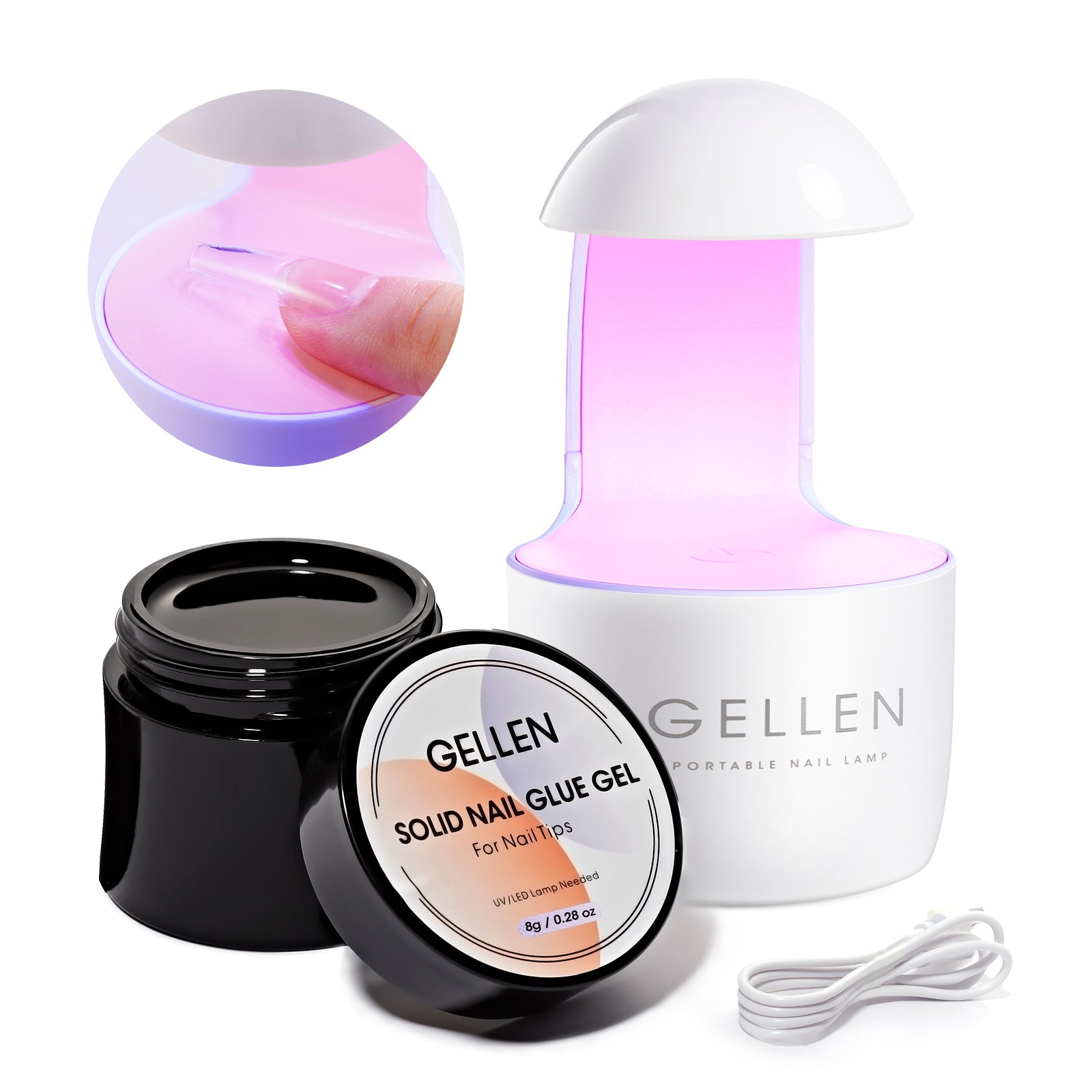
| Solid nail glue gel | Yes |
| Regular nail polish | No — air dries |
| Nail dehydrator and primer | No — these flash off on their own |
| Cuticle oil | No |
If you are starting from nothing, a kit that includes the lamp saves you working out compatibility yourself.
Before you turn the lamp on
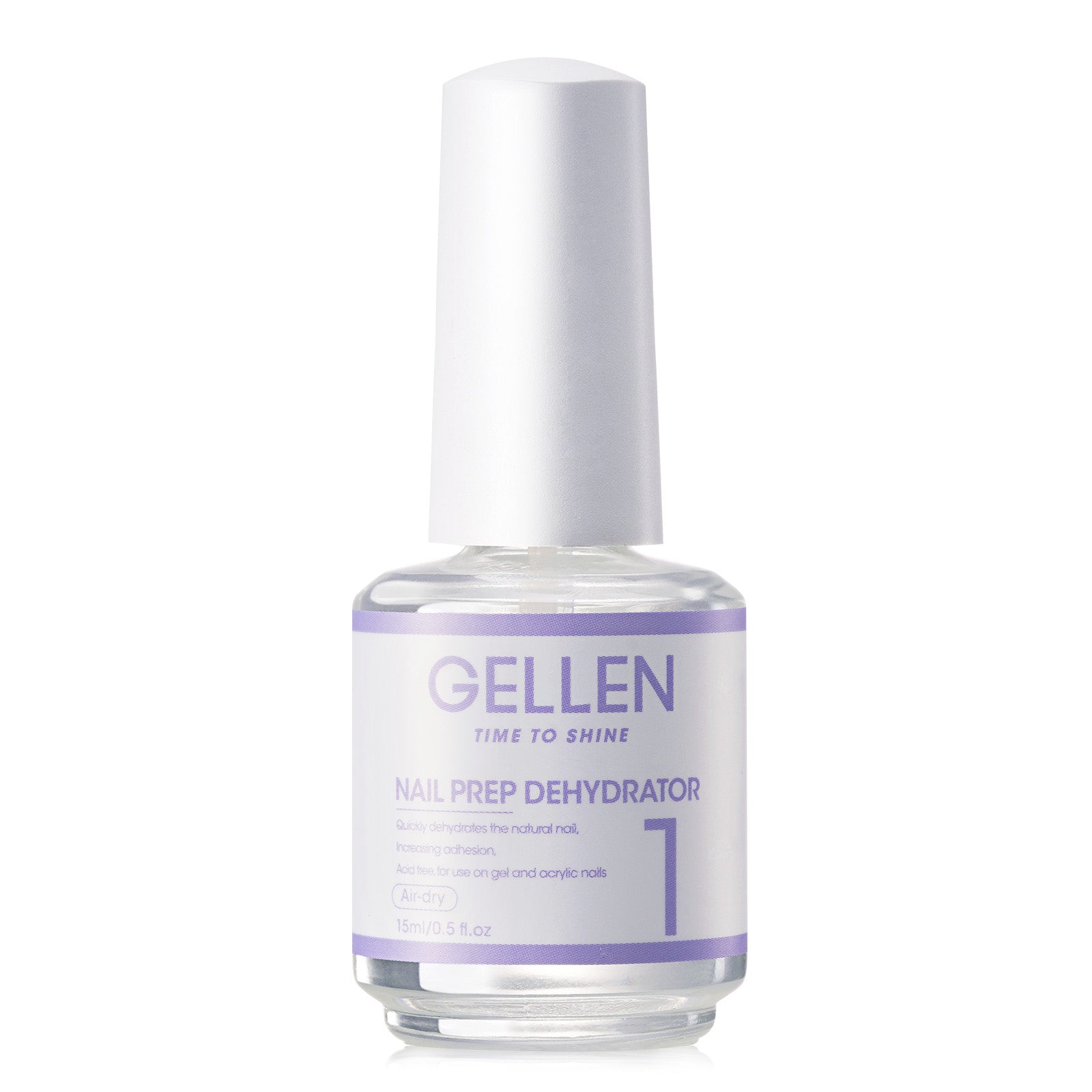
Curing well only helps if what is underneath is prepared well. Oil and moisture left on the nail plate stop the base coat bonding, and no amount of correct curing fixes that. Wipe the nail down and let it flash off before your first coat.
Shop the products in this guide
- Solid Nail Glue Gel Kit with Mini UV Light
- Base & Top Coat Set 18ml
- Nail Dehydrator and Primer 15ml
- All gel polish colours
